Crypto
Cryptocurrency, blockchain, and digital asset news.
Live markets: Oil bounce and lingering AI selloff pushes bitcoin under $64,000
War drives oil up, the Kimi selloff drags chips down, and bitcoin sits between them.
Moonshot AI IPO push follows Kimi, Alibaba AI releases that shook bitcoin
Days after Kimi K3 rattled chip stocks, Moonshot is moving toward a Hong Kong listing at a $30 billion-plus valuation while Alibaba's Qwen goes open-weight.
Bitcoin ETFs see new money again, but inflows remain ‘peanuts’ relative to the recent exodus
Bitcoin ETFs have attracted $273 million in new inflows in two weeks, but the total is barely enough to cover a single "slow" week of recent selling.
Bitcoin flat near $64,000 as oil hits a one-month high and Kimi AI selloff lingers
Brent jumped almost 4% on escalating U.S.-Iran strikes, while Asian chip stocks stayed under pressure from Friday's Chinese AI shock.
Cardano activates van Rossem hard fork, paving way for Leios
The upgrade reduces smart contract execution costs while laying the groundwork for Ouroboros Leios, a major scalability upgrade expected later this year.

Allbridge pauses cross-chain bridge after $1.65M exploit
The attacker allegedly used a flash loan and rapid swaps to manipulate the bridge’s stablecoin exchange rate.

Japanese logistics company eyes JPYC stablecoin to pay drivers
The planned rollout would let thousands of transportation contractors receive digital yen payments more frequently and quickly.

South Korea probed 40 cases of crypto manipulation over 2 years
Financial Services Commission Chair Lee Eog-won posted the figures on the second anniversary of the enactment of the Virtual Asset User Protection Act.

Will the US get CLARITY this week? Bitcoin’s new $80K target: Hodler’s Digest, July 19
The fate of the CLARITY Act hinges on Trump’s ethics, so the odds aren’t looking great. Prediction market volumes hit new highs, and more news.
The GENIUS Act turns 1: State of Crypto
The stablecoin-focused GENIUS Act became a law a year ago.
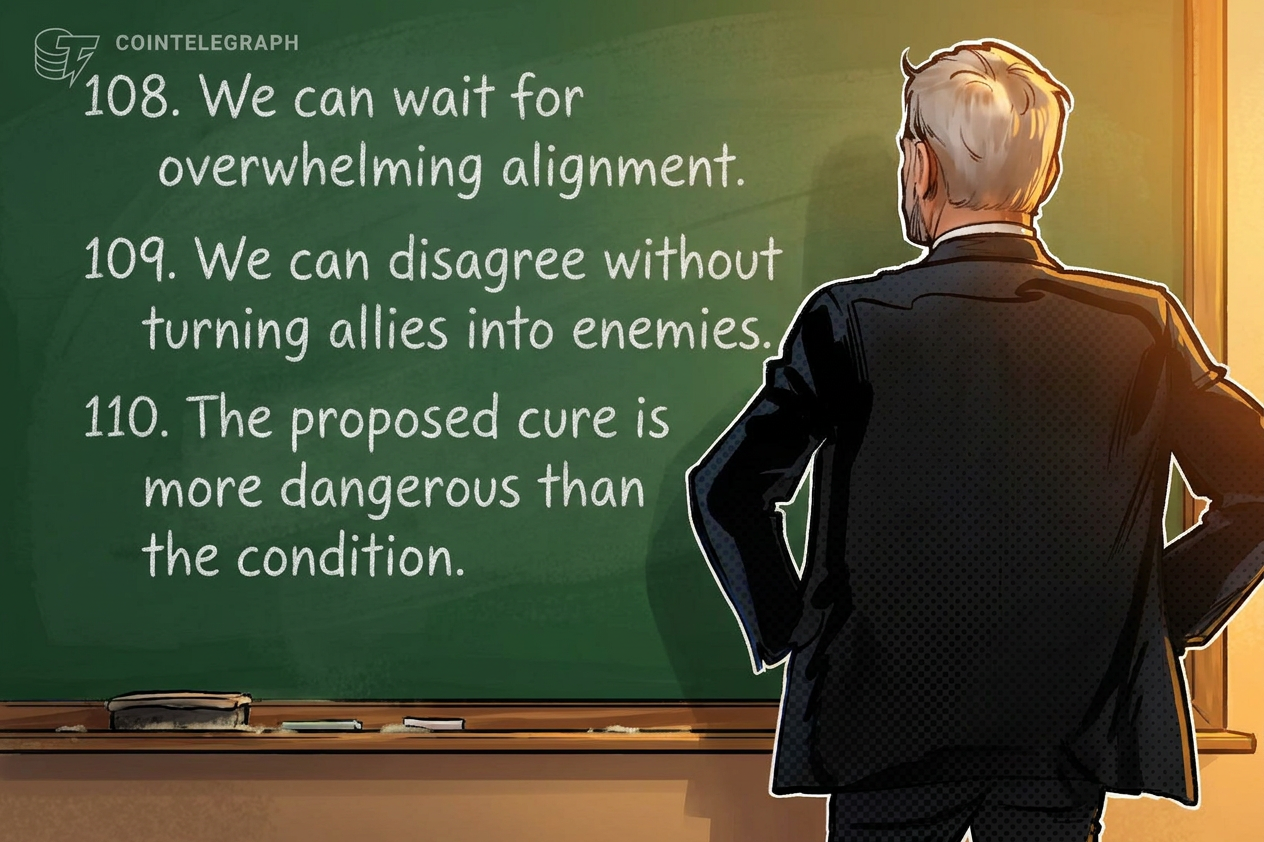
Saylor turns up heat with “110 reasons” why BIP-110 is a bad idea
The man in control of the biggest Bitcoin corporate treasury said he ‘shares the objectives but disagrees about the remedy’ called for in the proposed temporary fork.
Bitcoin's biggest advocate, Michael Saylor, says new plan to clean up the blockchain is 'a bad idea'
Michael Saylor argues that a new proposal, BIP-110, to temporarily block "spam" data from the Bitcoin blockchain would undermine the network's neutrality and create a dangerous precedent for censorshi
AI is destroying the internet. Math is our only hope.
The rise of autonomous AI agents necessitates the utilization of zero-knowledge proofs, argues Brian Trunzo, chief growth officer at Succinct Labs.
Kraken says simpler options can unlock crypto's next derivatives market
The Wyoming-based firm launched USD-settled bitcoin and ether options, saying product design, not demand, has held back adoption.
Tether's USDT hits 2-year countdown threatening its position on U.S. crypto platforms
The GENIUS Act has hit its first anniversary without U.S. regulators yet meeting deadlines to write regulations, though rules will be in full effect by July 2028.
US agencies miss GENIUS Act deadline for final stablecoin rules
US regulators failed to finalize implementing regulations by the GENIUS Act’s one-year deadline, issuing 10 proposed rules instead.

South Korean regulator begins sanctions process against Dunamu: Report
The proceedings come as South Korea’s Virtual Asset User Protection Act lacks explicit sanctions provisions for hacking and computer system incidents, leaving the scope of penalties uncertain.
Bitcoin’s quantum problem gets a recovery tool, but not for Satoshi’s 1.1 million coins
Project Eleven says it has funded a proof that lets a wallet's own key-derivation path stand in as ownership after quantum computers can forge its signatures. It runs in 243 milliseconds on a laptop.